
Your existing glass cutting table may not be new, but that doesn't mean it has to limit your production efficiency. Upgrading key components of your cutting line is often a smarter investment than purchasing a completely new machine — especially when your frame and basic structure are still in good condition. In this guide, we walk through the most cost-effective, high-impact upgrades that can extend the life of your glass cutting table, improve cutting quality, and increase throughput — all without a massive capital outlay.
1. Replacing Worn Rails and Carriage Bearings for Higher Cutting Accuracy
After years of operation, the linear guides and bearings on your cutting table inevitably wear out. This leads to play in the cutting head, which directly affects the precision of your straight cuts and dimensions. The good news is that swapping out these components is relatively inexpensive compared to the performance gain you receive.
Signs you need this upgrade
- Visible chipping or ragged edges on cut glass
- Cutting head vibration during high-speed operation
- Frequent need to recalibrate the cutting bridge
- Increased noise from the carriage area
Upgrading your existing steel rails to lightweight aluminum profiles with hardened steel inserts can also reduce the load on the drive motor, allowing for faster acceleration and smoother motion. This is one of the simplest and most affordable retrofits available, and it has a direct impact on your day-to-day cutting quality.
2. Adding a Motorized Y-Axis Drive to Replace Manual Head Positioning
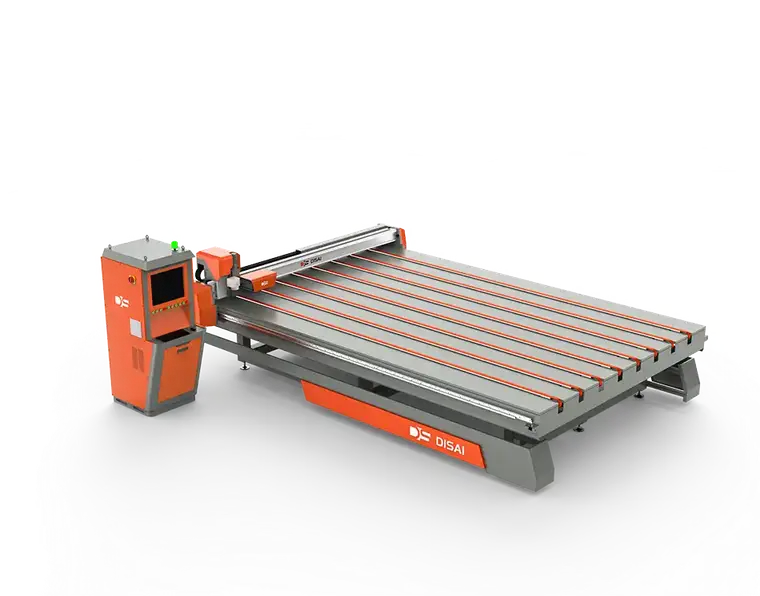
If your current cutting table still relies on a manual push for the Y-axis positioning, upgrading to a motorized drive is a game-changer for both speed and consistency. Manual positioning is not only slow, but it also introduces human error — operators often misalign the cutting head by a fraction of a millimeter, which adds up over a full production run.
A retrofit kit that includes a small servo motor, a rack-and-pinion drive, and a simple control pad can be installed in less than a day by a qualified technician. Once installed, the operator simply enters the desired dimension or selects a preset, and the cutting head automatically moves into position. This eliminates false cuts and reduces cycle time by up to 30% on multi-tool tables.
When sourcing such a system, make sure the drive components are compatible with your existing table structure. Companies like DISAI offer modular retrofits that are designed to fit a wide range of cutting table models, so you can enjoy better performance without replacing the entire machine.
3. Optimizing Your Cutting Head Assembly for Cleaner Breaks
One cost-effective upgrade that is often overlooked is the cutting head itself. Many existing tables still run with older cutting head models that have limited adjustability for cutting pressure and wheel angle. By upgrading to a modern, fine-adjustable cutting head, you can achieve cleaner scoring lines, which directly improves the breaking process downstream.
What to look for in a replacement cutting head
- Fine pressure adjustment in the range of 50–200 N for precision work
- Rotating wheel holder with quick-change mechanism
- Scalable mounting brackets to fit your existing bridge
This upgrade is particularly effective if you regularly switch between different glass thicknesses, as older cutting heads often require manual changes or lack the pressure range needed for thin or thick glass. With a new head, the cutting wheel follows the glass surface more evenly, reducing chipping and minimizing breakage during the snap step.
4. Upgrading the Cutting Software and CNC Control System
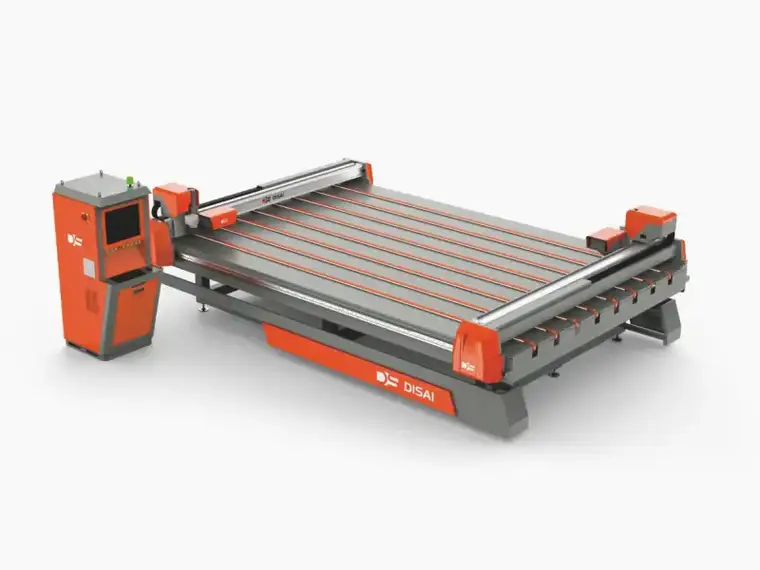
In many cases, the weakest link in an older glass cutting table is not the hardware — it's the control software. Legacy systems often run on outdated operating systems that are difficult to update, and their user interfaces are far from intuitive for new operators. Upgrading the CNC controller and cutting optimization software can be one of the highest-value low-cost upgrades you can make.
Modern cutting software offers several benefits:
- Real-time nesting optimization: reduces glass waste by up to 8% compared to older manual nesting functions.
- Remote diagnostics: allows a technician (like one from DISAI) to troubleshoot issues without being physically on site.
- Touchscreen interface: reduces learning time for new staff and helps prevent input errors.
Many software suppliers offer flexible licensing models, so you can upgrade the software without committing to a full hardware purchase. If your current CNC controller is too old to support new software, consider replacing just the controller unit — this is still much cheaper than purchasing a new cutting table.
5. Implementing an Automatic Lubrication System
Improper lubrication is one of the leading causes of premature wear on glass cutting tables. Forgetting to lubricate the rails, bearings, or cutting head leads to increased friction, overheating, and eventual mechanical failure. An automatic lubrication system removes this human error factor and ensures that every moving part receives the right amount of oil at the right time.
This upgrade costs very little and can be installed externally, without modifying the machine's original design. Benefits include:
- Fewer breakdowns and less unscheduled downtime
- Extended lifespan of rails and bearings
- More consistent cutting quality thanks to stable mechanical conditions
- Lower long-term maintenance costs
6. Improving the Break-Out Table Workflow
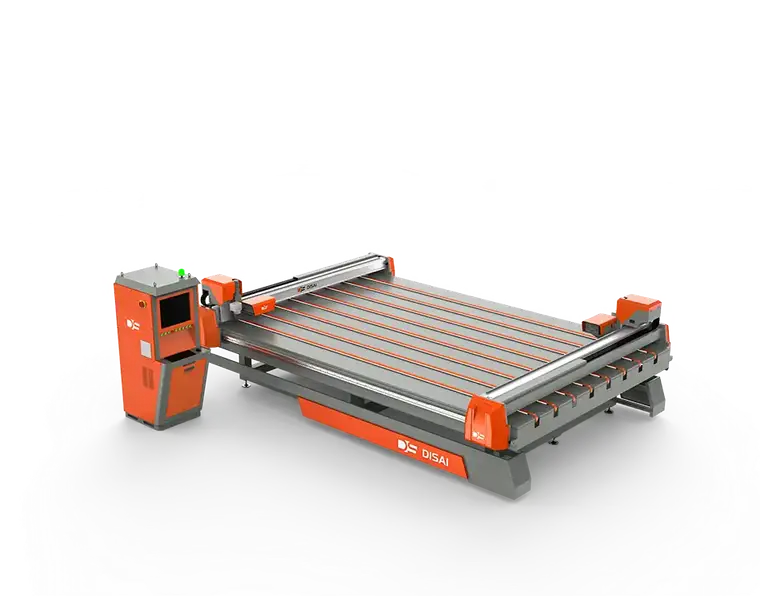
While not strictly a cutting table component, the break-out station is an integral part of the cutting process. If you are upgrading your cutting table, consider whether the break-out process also needs a quick efficiency boost. Simple adjustments, like installing a pneumatic break-out bar or adding air flotation rotation plates, can significantly reduce operator fatigue and speed up the overall production cycle.
These modular additions can often be mounted on the existing table frame, and they require only a small air compressor connection. The investment is typically paid back within a few months thanks to lower labor needs and reduced glass breakage during manual handling.
7. Is It Time to Consider a Full Retrofitting from DISAI?
When you start adding up the costs of individual upgrades, you may find that a complete retrofitting package is a more attractive option. DISAI specializes in upgrading and modernizing existing glass cutting tables, providing a full package that includes new cutting heads, upgraded drives, modern control software, and optimized table surfaces — all installed directly into your current frame.
A full retrofit has several advantages over piece-by-piece upgrades:
- All upgrades are tested together to ensure compatibility
- Warranty covers the entire system, not just individual components
- Technicians can spot other potential weak points you may have missed
- Training for your operators is included in the package
Choosing a complete retrofitting solution often costs between 40% and 60% of the price of a new table, while delivering near-new-machine performance. For companies that are satisfied with their existing table size and configuration, this approach maximally preserves your investment in the machine frame and foundations.
Final Considerations for Your Upgrade Plan
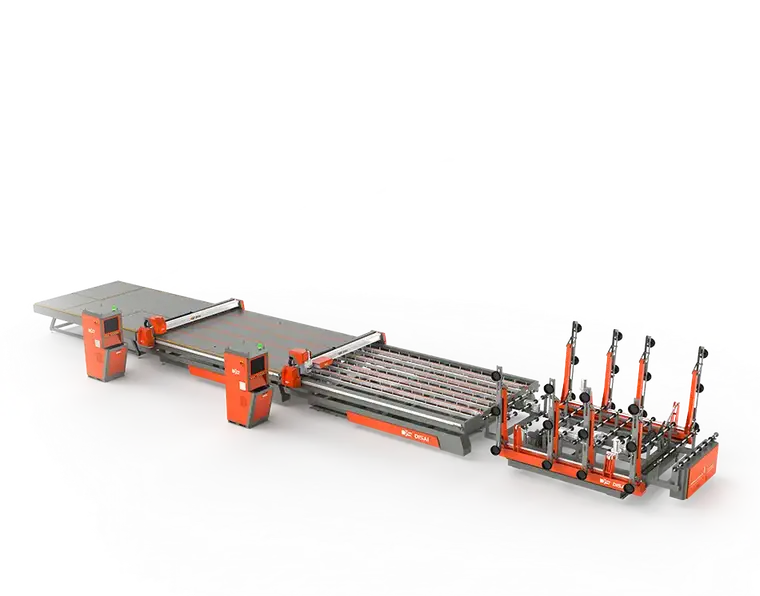
Before you open your wallet or place an order with a machine manufacturer, take a step back and assess your own production data. Which part of your process is causing the most waste, downtime, or quality complaints? Start with the upgrades that address your biggest bottleneck. Even a simple combination of a new cutting head, automatic lubrication, and a software optimization can already transform the performance of a 10-year-old cutting table.
The key is not to treat all upgrades as equally important, but to choose upgrades that are aligned with your production targets. And when in doubt about technical compatibility or installation complexity, it is always wise to consult a specialist like DISAI — their expertise in retrofit projects can save you weeks of trial-and-error.
Investing in your existing glass cutting table is a smart business decision, provided you choose the right upgrades and have them professionally installed. With a modestbudget, you can achieve measurable gains in precision, speed, and reliability — keeping your old table in service for many more years while delaying the large capital expense of a new machine.