

Glass processors today face a twofold pressure: the constant need to lower production costs and stricter environmental obligations to reduce waste. Every cutting mistake, underutilized sheet, and suboptimal layout directly chips away at profit margins. Traditional manual nesting—arranging parts on a sheet by eye—simply cannot deliver the precision and speed required to stay competitive. Smart nesting software offers a proven answer, using advanced algorithms to compute the most efficient cutting arrangements in seconds. This article examines how intelligent nesting helps glass companies minimize waste, maximize yield, and why DISAI has become a trusted name in this technology.
The Hidden Cost of Glass Waste
In glass fabrication, waste arises from multiple points: the border around cut pieces, unavoidable offcuts, rejected parts due to layout errors, and suboptimal placement that leaves large unusable areas. While a single offcut may seem insignificant, combined over a production shift they represent a substantial loss of raw material. For many factories, the difference between an average nesting layout and an optimized one can amount to 5-15% more usable surface per sheet. This is not just a minor efficiency gain—it directly impacts the bottom line. Moreover, glass waste is not easily recycled in every facility. Discarded pieces often end up as cullet, increasing disposal costs and risking environmental compliance issues. Reducing waste at source is the most sustainable and economical strategy.
How Smart Nesting Software Works
Smart nesting replaces manual placement with algorithmic design. The software receives the list of required glass parts and their dimensions, then calculates a cutting layout that occupies the smallest possible area. It automatically rotates pieces, aligns edges, and adjusts spacing according to cutting thickness and safety margins. Modern nested planning goes far beyond simple rectangles, handling complex polygons, beveled edges, and cutout shapes. The result is a dense packing that would be almost impossible to achieve manually.
Automatic Layout Optimization
The core of smart nesting is an optimization engine that evaluates thousands of possible combinations at high speed. Unlike a human operator, the software does not tire, does not follow habits, and does not overlook critical overlaps. It balances part orientation, grain direction restrictions, and required quality standards to generate a layout that minimizes waste. For glass, special attention is paid to avoiding stress points and respecting the cutting sequence to prevent breakage.
Seamless Production Integration
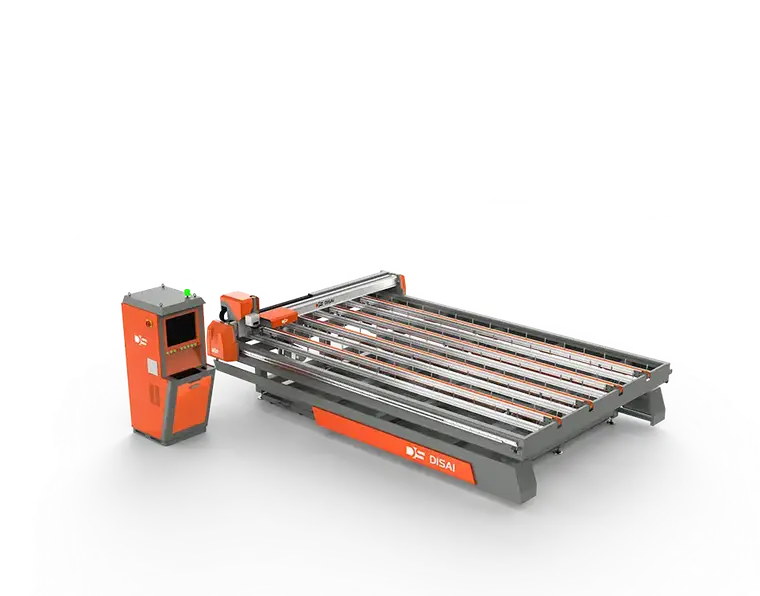
Nesting software does not work in isolation. DISAI solutions integrate directly with existing CAD systems and CNC cutting machines. The optimized layout becomes a machining program instantly, eliminating manual data entry and reducing the chance of errors. This creates a digital thread from order to cut glass, enabling faster response times and better traceability.
Key Benefits for Glass Fabricators
Adopting smart nesting software brings benefits that are both immediate and long-term. The following are the most impactful advantages valued by our clients:
- Material Yield Increase: Tighter packing means more parts from every sheet, directly reducing the amount of glass purchased.
- Cost Reduction: Lower material consumption and fewer rejected pieces reduce the cost per produced unit.
- Improved Accuracy: Automated layouts eliminate human miscalculations, ensuring correct dimensions and reducing rework.
- Faster Production Cycles: Layout planning that takes hours is done in seconds, freeing staff for other tasks.
- Sustainable Operations: Cutting down glass waste contributes to environmental targets and lessens landfill burden.
- Better Inventory Utilization: The software can use remaining stock sizes efficiently, turning offcuts into future opportunities.
Each of these benefits translates into a stronger competitive position. In an industry where margins are often tight, a few extra percentage points of yield can make a decisive difference.
Why Choose DISAI Smart Nesting?
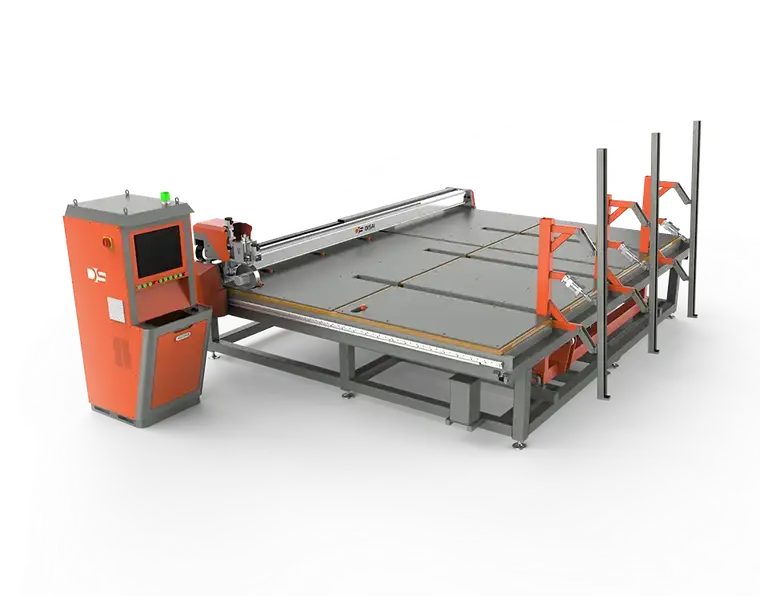
DISAI has focused exclusively on glass industry software, meaning our nesting engine is tailored to the unique requirements of glass cutting. We understand the need for process stability, safety clearances, and handling of coated or laminated materials. Our system supports both rectangular and irregular shapes, works with cutting tables of all sizes, and respects the physical properties of glass. It also offers simulation tools to preview the cutting sequence and avoid any risk of collision during manufacturing. DISAI is not just a software vendor; we are a partner in process optimization, providing training and support to ensure a smooth transition from manual planning to automated nesting.
Implement Smart Nesting in Your Facility
The path to reducing glass waste starts with an assessment of your current nesting efficiency. DISAI offers pilot tests using actual production data, so you can see the yield improvement before committing to a full rollout. Integration with your existing machinery is typically straightforward, and our team works side by side with your engineers to calibrate results. The goal is not simply to add software, but to transform how your factory manages material utilization and waste reduction. In a time when every square meter of glass matters, intelligent nesting is a proven investment.
Reducing glass waste is not only an environmental responsibility—it is a strategic opportunity to increase efficiency and profitability. Smart nesting software by DISAI empowers glass fabricators to make the most out of every sheet, reduce costs, and respond faster to market demands. Contact DISAI today for a demonstration and take the first step toward a leaner, greener production line.