
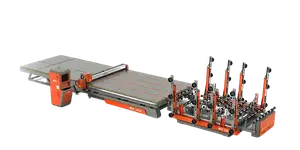

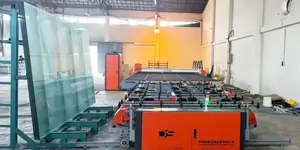
Purchasing a used glass cutting machine can deliver substantial cost savings, but only if the equipment is mechanically sound, accurate, and safe. Without proper testing, you risk inheriting hidden defects that lead to production downtime and expensive repairs. This guide provides a practical, step-by-step method to evaluate a second-hand glass cutting table before you commit. Drawing on years of industry experience, DISAI recommends a rigorous inspection protocol that covers mechanical integrity, cutting precision, control systems, and operational safety.
Why Systematic Testing Matters for Used Equipment
Used glass machinery varies widely in condition. Some machines come from factories that maintained them meticulously; others have been neglected or abused. A visual walk-around only reveals surface issues. The real value lies in functional testing under simulated production conditions. By following a structured checklist, you can identify potential failures early, negotiate a fair price, and avoid costly surprises after installation.
The Cost of Skipping a Thorough Test
Skipping a full evaluation might seem time-efficient, but the consequences are severe. A worn linear guide can cause cutting head wobble, leading to inconsistent scores and increased glass breakage. An outdated software version may lack the features your production needs. Faulty pneumatic cylinders can create uneven pressure on the cutting wheel, producing shallow or chipped cuts. These issues are not always visible until the machine is running at operating speed.
Pre-Purchase Documentation and History Review
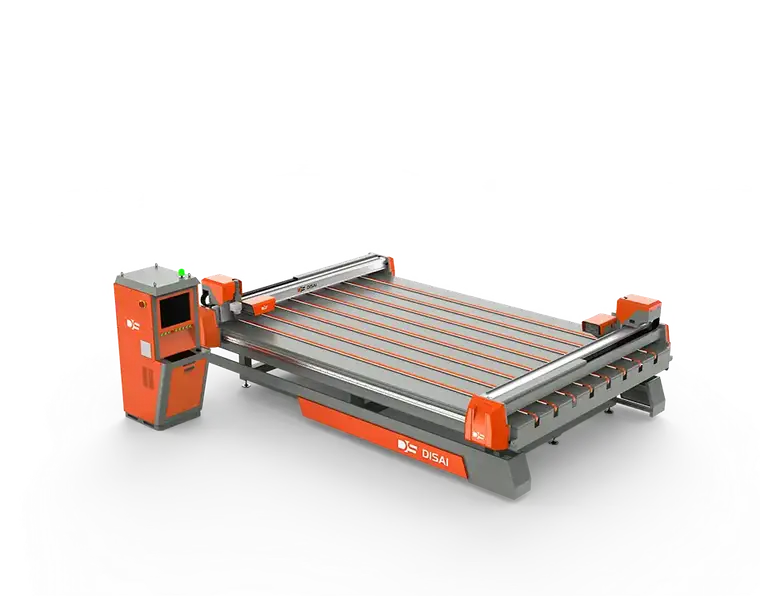
Before touching the machine, ask the seller for the complete service history. This includes maintenance logs, parts replacement records, and any major repair documentation. A transparent seller will provide these without hesitation.
- Service records: Verify that routine lubrication, belt replacements, and calibration checks were performed regularly.
- Software version: Confirm the control software is a recent version and that the license is transferable.
- Original specifications: Compare the machine’s current configuration with the manufacturer’s datasheet to ensure no critical components have been substituted.
If the seller cannot produce documentation, consider this a red flag. DISAI always emphasizes that a machine without a verifiable history is a high-risk purchase.
Mechanical Inspection: Frame, Guide Rails, and Cutting Head
The mechanical chassis determines the machine’s long-term stability. Start by examining the main frame for signs of distortion, rust, or cracks. Use a precision level to check if the table surface is flat. Even a small warp can cause cutting depth variations across the sheet.
Guide Rails and Carriage System
Move the cutting bridge manually if possible. Listen for grinding sounds, feel for rough spots, and watch for any lateral play. Worn rails or bearings will produce erratic cutting paths and reduce accuracy. You can test backlash by placing a dial indicator against the cutting head and applying gentle pressure back and forth. Any movement exceeding a few hundredths of a millimeter indicates wear.
Cutting Wheel and Head Pressure
The cutting wheel should be free of chips and cracks. Check its rotation: it must spin smoothly without wobble. The cutting head pressure assembly should respond precisely to air pressure commands. If the machine uses pneumatic pressure, verify that the regulator holds pressure steadily with no leaks. A broken pressure sensor might go unnoticed until you attempt to cut laminated glass.
Testing Cutting Accuracy and Repeatability
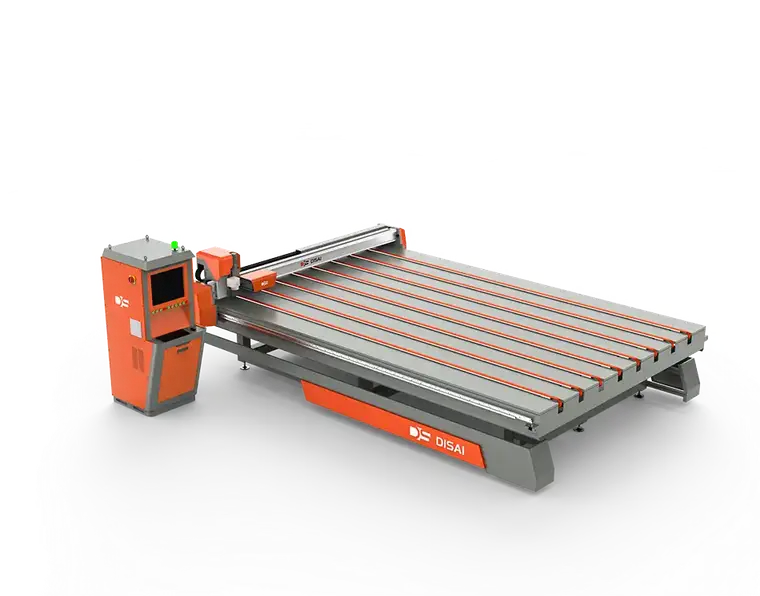
This is the most critical performance test. You need to see the machine cut actual glass, not simply simulate a software path. Ask the seller for scrap glass sheets of the thicknesses your production uses.
Create a Test Pattern
Use the machine’s software to create a simple pattern that includes straight lines, circles, and a 90-degree corner. This will reveal how the machine handles acceleration, deceleration, and sharp turns. After cutting, examine the score line under good lighting. A consistent, continuous score without skips or over-pressure indicates a healthy cutting head and calibrated downforce.
Measure Dimensions with Precision
After breaking the glass along the scored lines, measure each piece with a caliper. The dimensions should match the software values within the machine’s specified tolerance (typically ±0.15 mm for modern machines, but always verify with the seller’s spec). Additionally, check the edges for conchoidal fractures—these indicate excessive cutting pressure. Conversely, faint score lines indicate pressure too low, which will make breaking difficult and produce jagged edges.
Run the Repeatability Test
Have the machine cut the same pattern twice without adjusting any settings. Then overlay the resulting glass pieces. If they don’t align perfectly, the machine has positioning drift, which can be caused by encoder issues or worn drive belts. Consistent repeatability is essential for high-volume production where every panel must match a template.
Evaluating the Control and Software System
The control system is the brain of the glass cutting machine. A machine with perfect mechanics but a malfunctioning controller is useless for modern production.
Startup and Homing Sequence
Power on the machine and observe the startup sequence. It should go through a home/reference cycle smoothly without hesitation or error messages. Pay attention to any alarms that appear. Some alarms may be minor, but frequent errors often indicate unstable power supplies, failing motherboard batteries, or corrupted software.
Test Manual and Automatic Modes
Switch between manual and automatic modes. Manual mode should allow precise movement of the X, Y, and Z axes via the joystick or keyboard controls. Automatic mode should execute pre-programmed patterns without unexpected stops. Also test the “cut” and “break-out” functions if the machine includes a breaking station. The software interface should be responsive, and the touchscreen or monitor should not have dead pixels or unresponsive areas.
Data Transfer and Networking
Many glass cutting machines receive cutting patterns from a central server or USB drive. Bring your own USB drive with a sample DXF file and try importing it. Check that the software handles layer names, separate cut/break lines, and scaling correctly. If the machine has Ethernet connectivity, test the connection to ensure remote monitoring or file transfer works—future integration may depend on this.
Safety Features and Emergency Systems
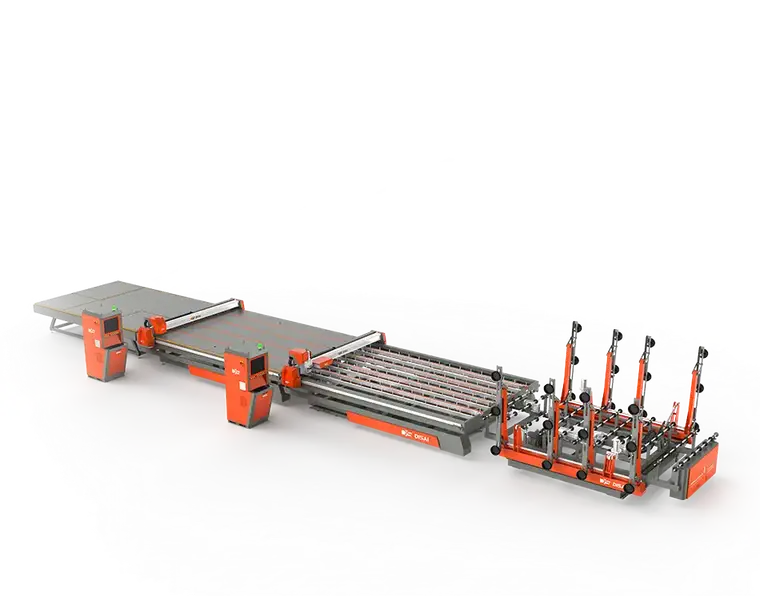
A used machine must still meet current safety standards. Operational safety is critical for your workers and your liability. Even if the machine is mechanically perfect, missing or non-functional safety features should be a dealbreaker.
Emergency Stop and Limit Switches
Press the emergency stop button during a normal cutting cycle. The machine must halt immediately, and the cutting head should lift from the glass surface. Test both the main E-stop and any auxiliary stop buttons. Then reset the machine and verify that it resumes without requiring a full restart or resetting the coordinate system. Also inspect the limit switches on each axis. They should activate with a clean click and prevent the carriage from over-travel.
Light Curtains and Safety Covers
If the machine is equipped with safety light curtains, test them by passing an object through the beam while the machine is in automatic mode. The machine should instantly stop or retract. Door interlocks should prevent operation when a safety guard is open. If the machine lacks these features entirely, check whether the model was originally designed without them or whether they were removed—this could indicate previous tampering or an obsolete model.
Wear Parts Assessment and Replacement Costs
Every glass cutting machine has consumables and wear-prone components. Identifying their condition helps you estimate immediate maintenance expenses and negotiate the purchase price.
Key Wear Items to Inspect
- Cutting wheels: Check for flat spots, chips, and excessive wear. A used wheel is cheap to replace, but a damaged cutting head spindle is not.
- Drive belts and pulleys: Look for cracks, fraying, or signs of slipping. Belt tension should be consistent across the axis.
- Linear bearings: If accessible, feel for roughness when sliding the carriage manually. Rough bearings increase motor load and reduce accuracy.
- Pneumatic hoses and fittings: Listen for air leaks and check compressor duty cycle. Small leaks are manageable, but perished hoses may need complete replacement.
- Electrical cables and connectors: Inspect the drag chain and cable bundles for cracked insulation or broken wires, especially near areas that flex repeatedly.
Ask the seller for the current prices of these parts. A machine with many worn items might still be a good deal if the total cost of replacement parts stays below the difference compared to buying new. However, if major components like servo motors or the control board need replacement, the used machine may not be worth the trouble.
Live Production Run with Different Glass Thicknesses
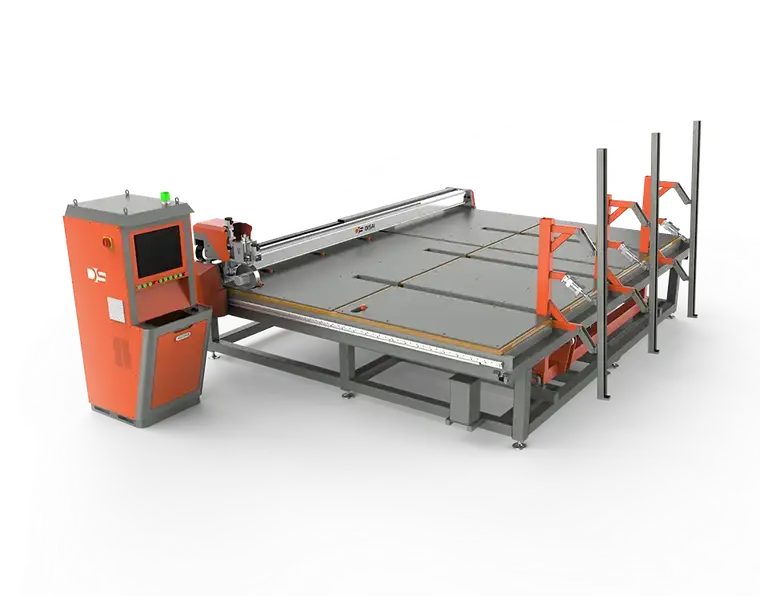
A final comprehensive test is to run a live production simulation. This goes beyond a simple test pattern and uses thick glass, thin glass, and maybe laminated glass if that is part of your product mix. Observe how the machine adapts its cutting pressure and speed. A high-quality machine will automatically adjust parameters based on the glass thickness selected in the software.
Check Cycle Time and Efficiency
Time how long it takes to cut a standard sheet from start to finish. Compare this with the machine’s published cycle time. A significantly slower operation may indicate worn servo drives, increased friction, or inadequate air pressure. Also watch for excessive vibration at high-speed cutting, which can harm both the glass and the machine itself.
Listen for Abnormal Noises
Unusual squealing, grinding, or knocking sounds are red flags. The cutting head should glide quietly across the glass with only a faint hiss from the air pressure. Any metallic clicking suggests bearing damage or loose couplings. Use a mechanic’s stethoscope or simply place a screwdriver against components to isolate sound sources.
Final Negotiation and Purchase Protection
Armed with the test results, you can negotiate from a position of knowledge. Document every issue you find with photos and measurements. If a machine fails any critical test, request a discount equivalent to the repair cost or reduce your offer accordingly. If the machine passes all tests, you still need to protect your investment.
Demand a Warranty and Support Agreement
Even for used equipment, a reasonable warranty period—at least 30 days—is common. Ask the seller to provide a written statement that the machine is free from known defects at the time of sale. If the seller is a dealer, ask about post-purchase technical support. Some dealers like DISAI offer refurbished machines with extended warranties, which can be a safer alternative to an as-is private sale.
Arrange for Professional Installation
Once you purchase, plan for professional installation or at least thorough commissioning support. A machine that tests well on the seller’s floor might still suffer damage during transport. Check alignment, re-level the table, and recalibrate the cutting head after installation. Keep all test reports and maintenance records for future reference.
Conclusion
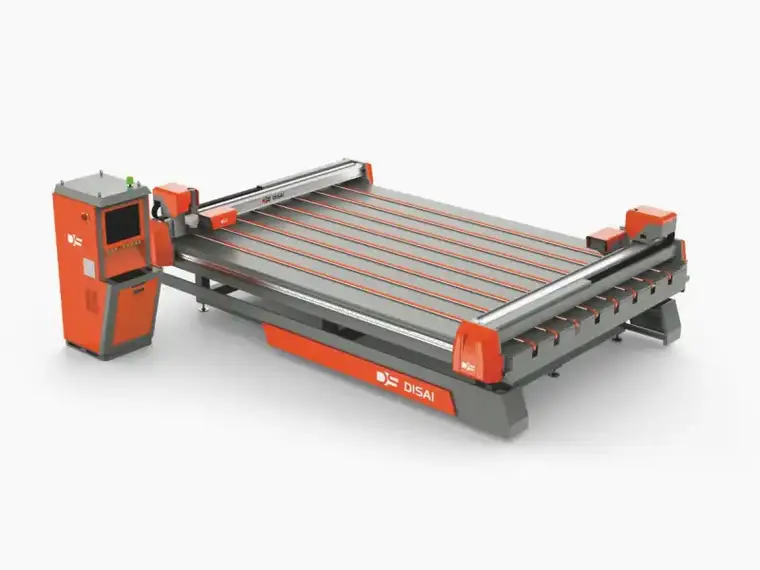
Testing a used glass cutting machine requires time and attention to detail, but it is the only way to avoid buying someone else’s problem. Systematically review documentation, inspect mechanics, run precision cuts, test control functions, verify safety features, and assess wear parts. Use every test result to negotiate a fair price and secure meaningful support. If you are not confident in your own evaluation, consider consulting a specialist or purchasing from a reputable refurbisher like DISAI, where machines are professionally inspected and reconditioned. Your diligence today will ensure smooth production and solid return on investment tomorrow.