FEATURE 1
Stable Ladder-Lift Movement
Stable ladder-lift transmission supports accurate vertical movement during glass storage and retrieval.
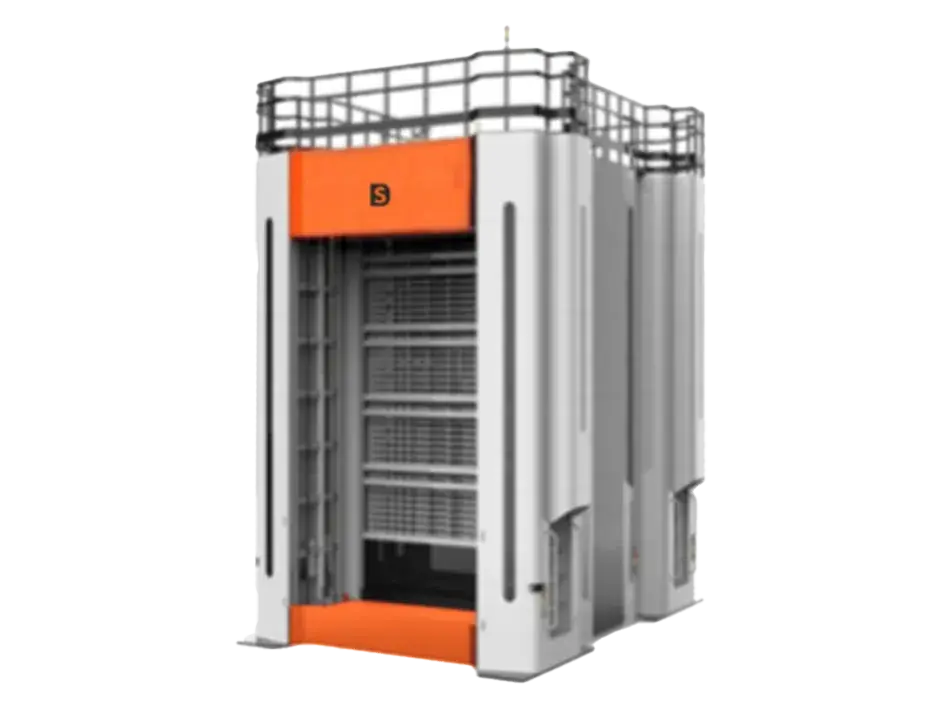
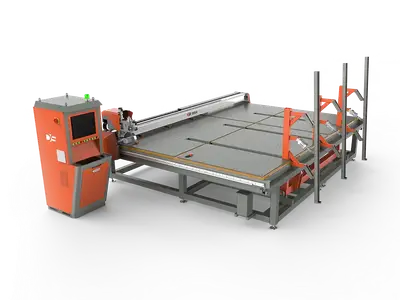
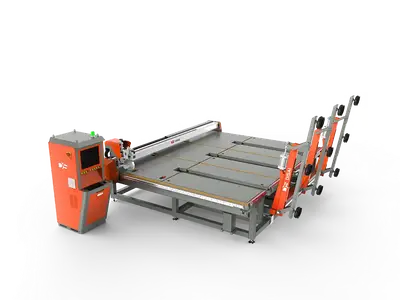
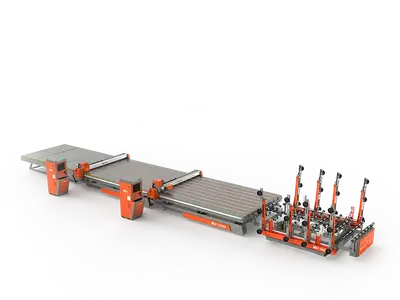
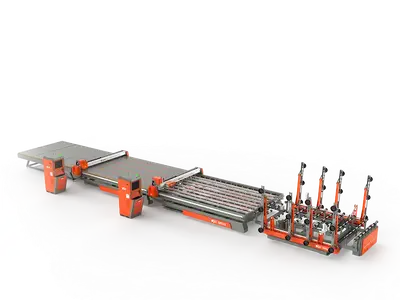
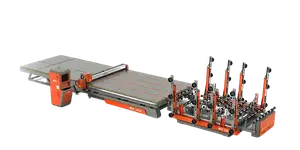
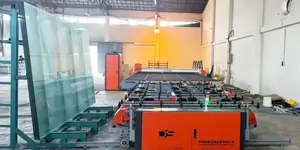
The system is designed to store, sort and output cut glass before edging. It provides buffer storage and planned output between cutting and edging, and can also be used to store glass awaiting tempering. With its multilayer ladder-type structure, it organizes glass according to the production sequence, helping streamline cutting and breakout workflows, reduce manual handling and improve downstream processing efficiency.
| Models | Maximum Glass Size | Processing Time | Number of Reservoir Layers |
|---|---|---|---|
| DS-LB2621-H | 2600×2100mm | 9pcs/min | 9/18/27/36 |
| DS-LB3025-H | 3000×2500mm | ||
| DS-LB3725-H | 3700×2500mm | ||
| DS-LB6133-H | 6100×3300mm |
Smarter Glass Organization After Cutting, Before the Next Process
After glass is cut, the next challenge is keeping every lite in the correct sequence and making it easy to retrieve for edging, tempering or further processing. The DISAI DS-LP-H Horizontal Glass Arrangement System is designed for this important stage of the workflow. It arranges cut glass in an organized storage structure, helping glass processors manage different sizes, orders and processing sequences with less manual handling.
For tempering plants and glass factories handling multiple orders at the same time, DS-LP-H provides a practical connection between cutting and the next process. Its multi-layer horizontal arrangement concept helps keep the material flow clear and makes better use of the available production space.
Multi-Layer Horizontal Storage for a More Orderly Workflow
DS-LP-H uses a multi-layer storage design to arrange cut glass in a defined and accessible position. This gives the factory a more structured buffer between cutting and edging or tempering. Operators can identify the required glass position more easily, while production planners have greater flexibility when arranging different batches.
Instead of leaving glass in an unstructured temporary area, DS-LP-H helps create a clear link between the cutting process and the next operation. This is especially useful when the factory needs to manage different orders, glass sizes or downstream production requirements at the same time.
Controlled Movement for Dependable Daily Handling
The lifting and lowering movement is controlled by the system program. Intelligent control determines the operating sequence, while the storage structure moves in a controlled manner during loading and unloading. This supports consistent daily operation and helps maintain an orderly arrangement of stored glass.
Intelligent Sorting and Clear Sequence Management
Sorting is not only about placing glass in a rack. It is also about preserving the sequence required by the next process. DS-LP-H uses programmed control to determine the sorting sequence, making it suitable for production environments where many pieces must be arranged according to size, order or downstream process requirements.
The system can be connected with a cutting or breaking layout. This supports a more organized material flow and prepares the cut glass for the following process.
Integrated Control Designed for Glass Processing Lines
The DS-LP-H system combines software and hardware into an integrated arrangement solution. Its coordinated control architecture helps the equipment operate as part of a glass processing line and supports adjustment of the sorting and storage sequence according to production needs.
Improve the Connection Between Cutting, Edging and Tempering
When cut glass is placed randomly or handled repeatedly, operators spend more time searching, repositioning and checking the sequence. DS-LP-H creates a defined storage point after cutting. This can help reduce unnecessary handling and keep the next processing step supplied in an orderly way.
For a factory producing tempered glass or managing mixed orders, organized intermediate storage can make daily scheduling easier and make the complete line more predictable.