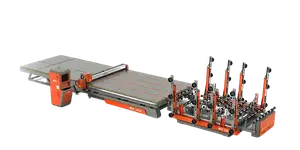
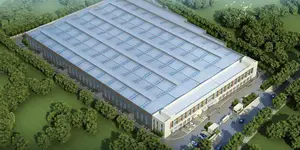
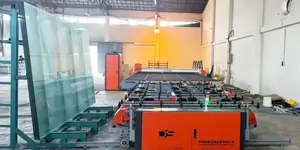
Choose the glass cutting solution that best fits your factory layout, production needs, and future automation plans.
For many glass processors, choosing the right cutting solution is not just about comparing machine prices. It also involves factory layout, daily output requirements, labor arrangement, product mix, and future expansion plans.
When comparing an integrated glass cutting table and a glass cutting line, the real question is not simply which machine to buy now, but which solution better matches your current production situation and future development goals.
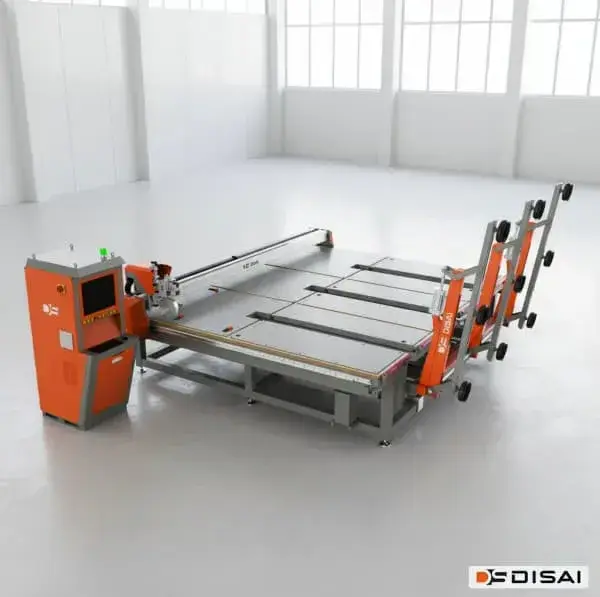
1. What is an integrated glass cutting table?
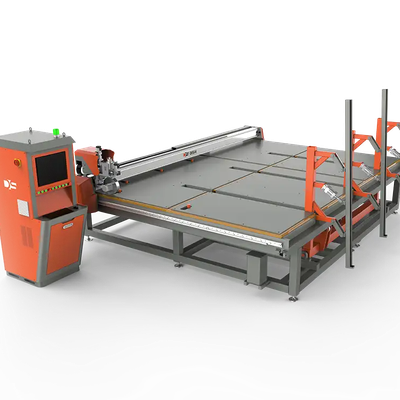
An integrated glass cutting table is usually a more compact solution that combines loading, cutting, and breaking functions in one machine. For customers who want to improve cutting accuracy and efficiency but are not yet ready to invest in a larger automated line, this is often a practical choice.
This type of equipment is usually more suitable for factories that:
Are small glass processors with limited workshop space and not enough room for a full line
Have relatively fewer orders and do not require very high efficiency at this stage
Want a simpler and more compact machine layout
Are taking the first step from manual processing toward automation
For growing factories, an integrated glass cutting table can be a reasonable starting point.
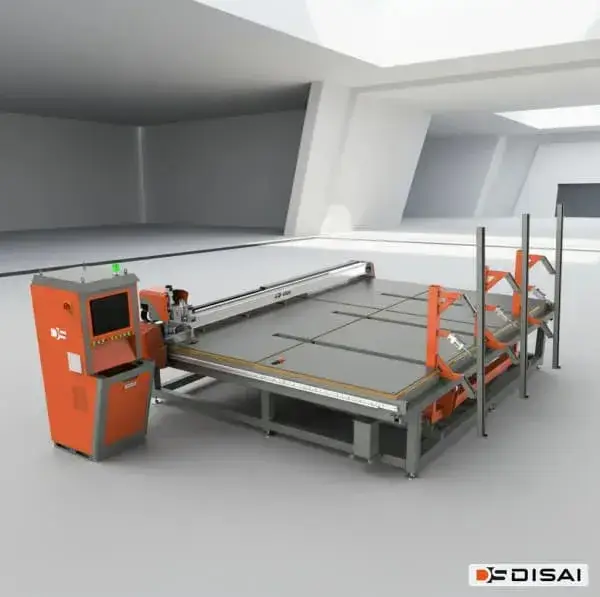
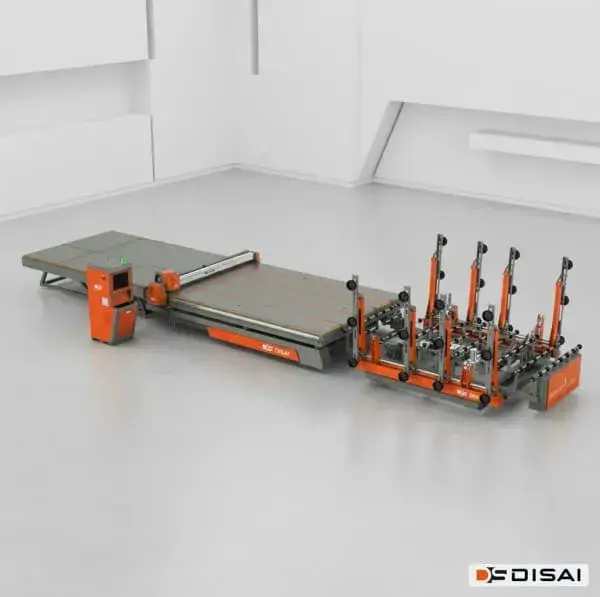
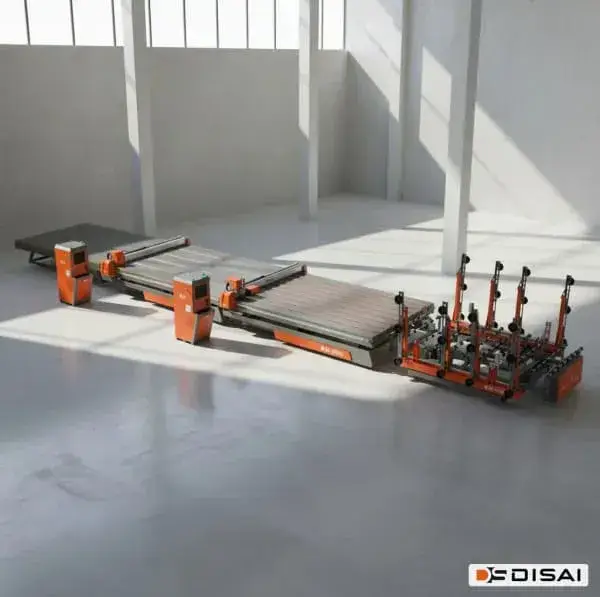
2. What is a glass cutting line?
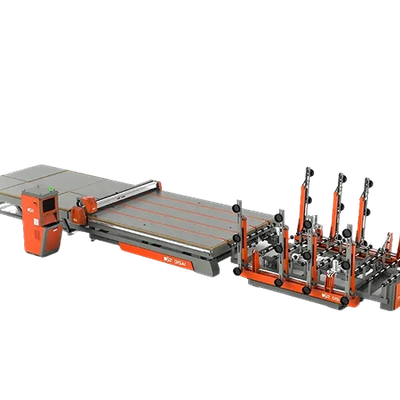
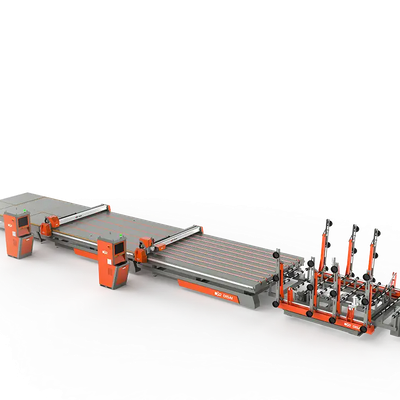
A glass cutting line usually consists of three or four parts, such as a loading table, cutting table, breaking table, and an optional laser marking section. Overall, it offers higher efficiency.
A full cutting solution is usually more suitable for factories that:
Have higher daily output requirements, larger production volume, or faster production rhythm
Need smoother coordination between loading, cutting, and breaking
Have plans for broader automation upgrades in the future
For companies that place more value on production rhythm, labor efficiency, and future expansion capacity, a glass cutting line usually offers stronger long-term value.
3. The real question is not “which one is better”
In actual machine selection, the more useful question is: which solution is more suitable for your current stage of production?
An integrated glass cutting table is not simply a smaller version of a cutting line, and a glass cutting line is not automatically the right choice for every factory. The final decision should be based on actual production conditions.
For example:
If your budget is limited, your workshop space is limited, and your current production volume is moderate, a compact integrated solution may be a more efficient investment
If you have higher efficiency requirements, want a higher level of automation, want to reduce manual handling, and need smoother process connection, then a full cutting line may be more suitable
4. What factors should be evaluated before making a decision?
Before choosing a solution, it is important to look clearly at several key factors.
Production volume
How much glass do you need to process per shift or per day? If production demand is expected to grow steadily, it is important not to focus only on the lowest entry-level configuration.
Glass size and product mix
Your common glass sizes, thickness range, and order types will directly affect the most suitable machine model and configuration.
Workshop space
Available layout space is a very practical factor. Some factories are better suited to a compact solution first, while others have enough room for a complete cutting section.
Budget
Budget also matters. The right solution should fit not only your current investment plan, but also your expected production goals and long-term return.
Labor arrangement
If reducing labor dependence is a key goal, then a more automated cutting line usually has stronger long-term advantages.
Future expansion plans
If you plan to add more automation equipment later, choosing a solution that is easier to upgrade and connect will be a safer choice.
Daily operation and maintenance
The right machine should not only look good in technical specifications, but also match your team’s real operating and maintenance capabilities.
5. When choosing a solution, look at the overall production value
Many customers first compare purchase prices, but in glass processing, what matters more is often the overall value in long-term production.
That includes:
Production efficiency
Cutting stability
Smooth workflow connection
Labor use
Downtime risk
Upgrade flexibility
A truly suitable solution should help the factory run more steadily, not just make the quotation look cheaper.
6. DISAI’s view
At DISAI, we believe that the right cutting solution should match the customer’s real production needs rather than follow a fixed template.
For some customers, an integrated glass cutting table offers a good balance between compact layout, stable performance, and practical efficiency. For others, a full glass cutting line is more suitable for higher output, smoother process connection, and future automation upgrades.
The key is not which option sounds more advanced, but which one can better support stable production and leave room for future improvement.
If you are evaluating your next investment in glass cutting equipment, DISAI can help analyze your needs and recommend a more suitable solution based on your factory layout, glass size range, and automation goals.
Contact DISAI to discuss your production needs and find the right glass cutting solution for your factory.